

Your Complete Guide to Pain Relief and Restoring Movement
Lower back pain is one of the most common health problems worldwide, affecting millions of people of all ages. Symptoms may begin mildly before gradually affecting work, daily activities, sleep, and overall quality of life.
Many patients believe that surgery is the only solution. However, recent studies have shown that physical therapy plays a key role in relieving lower back pain, improving movement, and reducing the need for surgery in many cases.
In this article, we explore the causes and symptoms of lower back pain, when to seek professional advice, and how physical therapy can help patients regain movement and return to everyday life.
What Is Lower Back Pain?
Lower back pain affects the area between the bottom of the rib cage and the top of the pelvis. It may result from sudden movement, a direct injury, or a gradual decline in the function of the muscles or spine.
The pain may be mild and temporary, or it may become chronic if it continues for weeks or months without appropriate treatment.
Causes of Lower Back Pain
Several factors can contribute to lower back pain. The most common include:
1. Prolonged Sitting
Modern lifestyles have contributed significantly to the rise in back pain, particularly among employees and people who work at desks.
2. Weak Back and Abdominal Muscles
Strong muscles help support the spine. When these muscles weaken, pressure on the vertebrae and joints increases.
3. Herniated Disc
A herniated disc occurs when a spinal disc presses on nearby nerves, potentially causing pain that radiates down the leg.
4. Degenerative Changes in the Spine
The likelihood of developing back pain increases with age because of changes affecting the joints and cartilage.
**5. Sports Injuries**
Sudden movements or incorrect lifting techniques may cause muscular or joint injuries in the lower back.
Symptoms of Lower Back Pain
Symptoms vary from one person to another, but commonly include:
– Persistent or intermittent lower back pain.
– Difficulty bending or moving.
– Muscle stiffness.
– Pain radiating into the buttocks or legs.
– Tingling or numbness in some cases.
– Reduced ability to perform everyday activities.
When Should You See a Physical Therapist?
Seek professional advice if:
– The pain continues for more than two weeks.
– It affects your everyday movement.
– It interferes with sleep.
– It keeps coming back.
– It is accompanied by weakness or numbness in your arms or legs.
Early treatment increases the chances of recovery and reduces the risk of complications.
**How Does Physical Therapy Help Treat Lower Back Pain?**
Physical therapy is an effective treatment option for many cases of lower back pain.
Comprehensive Assessment
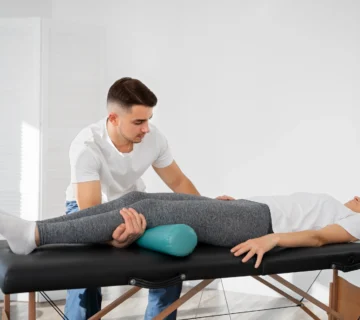
Treatment begins with a thorough assessment to identify the cause of the pain and its effect on movement and the surrounding tissues.
Pain Relief
A range of treatment techniques is used to relieve pain and improve freedom of movement.
Improving Spinal Flexibility
Therapeutic exercises help restore natural movement and reduce stiffness.
Strengthening the Muscles That Support the Back
Stronger muscles around the spine help the body cope better with everyday activities.
Improving Posture and Movement
Patients receive guidance on sitting, standing, and moving correctly to reduce pressure on the spine.
Can Lower Back Pain Be Treated Without Surgery?
In many cases, yes.
Many cases of lower back pain and mild to moderate disc problems respond well to conservative treatment, including physical therapy, therapeutic exercises, and changes to everyday habits.
However, the most appropriate treatment depends on an assessment of the condition and the severity of the symptoms.
Tips for Preventing Lower Back Pain
**Stay Physically Active**
Regular movement helps strengthen muscles and improve flexibility.
**Avoid Prolonged Sitting**
Take regular breaks to stand up and move around.
**Maintain a Healthy Weight**
Excess weight places additional strain on the spine.
**Lift Objects Correctly**
Use your leg muscles rather than bending forward at the waist.
**Practise Therapeutic Exercises**
Appropriate exercises can help prevent pain from returning.
Why Choose Damietta Physical Therapy and Rehabilitation Center?
At Damietta Physical Therapy and Rehabilitation Center, we believe that every condition requires an individual treatment plan. We use thorough assessment, ongoing follow-up, and the best available evidence to help relieve pain, improve movement, and restore quality of life.
Our team works with each patient step by step to restore muscle strength and flexibility and support a safe, effective return to everyday activities.
Conclusion
Lower back pain is common, but it does not have to control your life. With an accurate diagnosis and appropriate treatment, many patients can regain comfort, movement, and the ability to carry out their daily activities.
If you experience back pain or recurring symptoms, early treatment and specialist physical therapy may be your first step towards a more comfortable and active life..




No comment