

Department Overview
Introduction
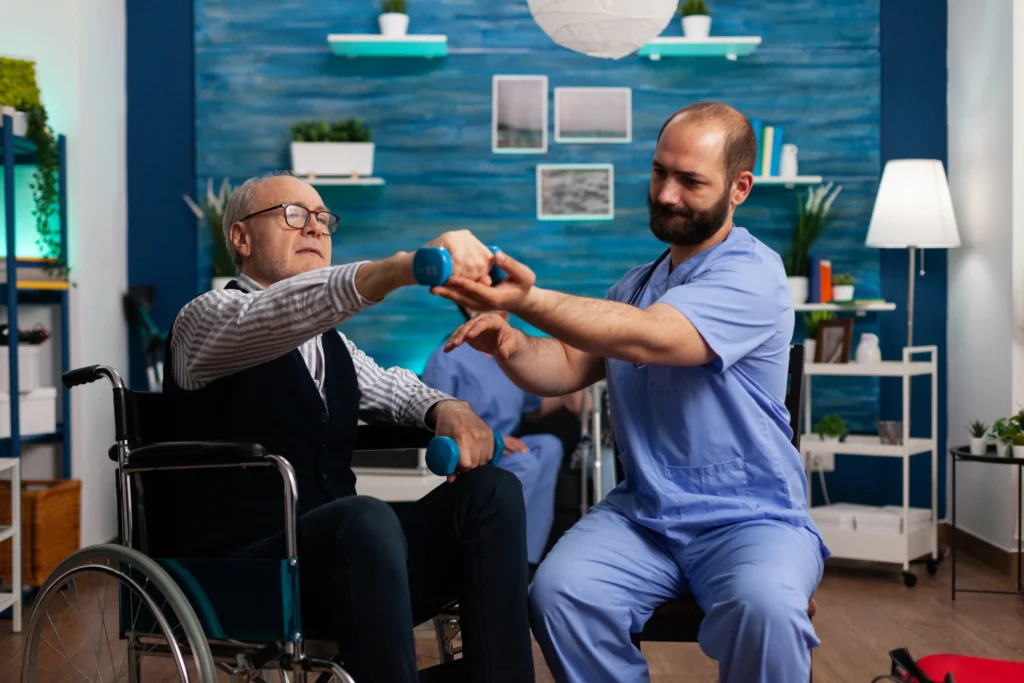
Our Neurological Rehabilitation and Movement Recovery Department provides physical therapy and rehabilitation for patients with neurological conditions that affect movement, balance, and the ability to perform everyday activities. These include stroke, spinal cord injuries, peripheral nerve injuries, multiple sclerosis, and other neurological conditions that may affect quality of life and independence.
At Damietta Physical Therapy and Rehabilitation Center, we believe recovery is an ongoing process that begins with a small step and develops over time through a comprehensive treatment program. We use modern neurological rehabilitation approaches and personalised physical therapy programs to help restore movement, improve balance and muscle strength, and support greater confidence and independence in everyday life.
How Neurological Physical Therapy Can Help
Post-Stroke Rehabilitation
We help patients regain motor skills and improve balance and coordination, supporting a gradual return to everyday life and the greatest possible independence.
Spinal Cord Injuries
We provide specialist rehabilitation programs that develop remaining motor abilities, improve functional performance, and support long-term quality of life.
Balance and Walking Difficulties
We improve stability and strengthen the muscles involved in balance to help reduce fall risk and build confidence during movement.
Peripheral Nerve Injuries
We help patients regain muscle control, sensation, and movement through treatment tailored to the injury and stage of recovery.
Our Treatment Approach
At Damietta Physical Therapy and Rehabilitation Center, our comprehensive approach focuses on each patient’s individual needs. We believe a strong partnership between the treatment team, the patient, and their family is essential to successful rehabilitation. We provide a supportive, comfortable environment that encourages active participation and helps patients make steady progress towards their treatment goals.
Frequently Asked Questions
Your Questions Answered